Modern Table Interior Design: A Contemporary Approach to Space and Function
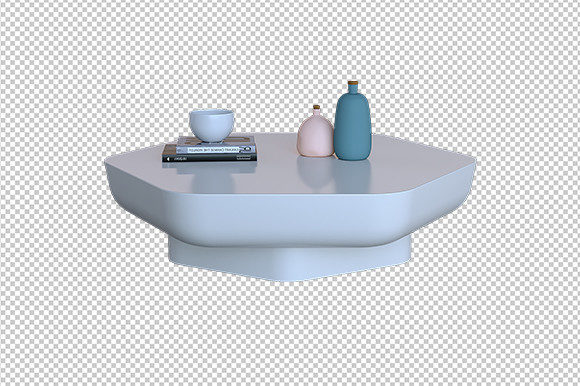
Modern table interior design focuses on creating functional, aesthetically pleasing spaces through the strategic use of tables as central elements. This approach emphasizes clean lines, minimal ornamentation, and a balance between form and function. Unlike traditional or ornate styles, modern table design often prioritizes simplicity and versatility, making it a popular choice for both residential and commercial settings.
What Makes Modern Table Interior Design Distinct?
Modern table interior design stands out due to its emphasis on clarity, practicality, and visual harmony. Key characteristics include:
- Simplified Aesthetics: Tables in this style typically feature straight edges, geometric shapes, and a restrained color palette.
- Material Innovation: Common materials include glass, metal, and engineered wood, which offer durability and a sleek appearance.
- Functional Integration: Many modern tables are designed with built-in storage, adjustable components, or multi-use features.
- Open Spaces: The design often complements open floor plans, allowing for flexible layouts that adapt to changing needs.
This style is ideal for those who value efficiency and a clutter-free environment, but it may not suit individuals seeking a more decorative or historically inspired look.
Comparing Modern Table Interior Design with Traditional Styles
Traditional table designs often incorporate intricate carvings, rich wood finishes, and ornamental details. While these can add warmth and character, they may also require more maintenance and take up more visual space. In contrast, modern table designs tend to be more streamlined, offering a lighter footprint that can make rooms feel larger and more organized.
For example, a classic dining table with carved legs and a dark finish might work well in a formal living room, while a minimalist, floating table could enhance a contemporary kitchen or workspace. The choice between these styles often depends on the overall interior theme and the user’s personal preferences.
Modern Table Interior Design vs. Industrial and Scandinavian Styles
Industrial and Scandinavian designs share some similarities with modern table interiors but differ in key aspects. Industrial tables often feature exposed metal hardware, rough textures, and a rugged aesthetic, which can create a bold, edgy atmosphere. Scandinavian designs, on the other hand, emphasize natural materials, soft lighting, and a cozy, inviting feel.
Modern table design sits somewhere between these two extremes. It retains the clean lines of industrial style but avoids the heavy, utilitarian look. It also incorporates the warmth of Scandinavian design without the emphasis on organic shapes or warm tones. This makes it a versatile option for those who want a balanced, neutral foundation that can blend with multiple decor themes.
Strengths and Tradeoffs of Modern Table Interior Design
One of the main strengths of modern table interior design is its adaptability. These tables can be used in a variety of settings, from home offices to restaurants, and often come in modular or customizable options. They also tend to be easier to clean and maintain, thanks to their smooth surfaces and lack of complex detailing.
However, there are tradeoffs to consider. Some modern tables may lack the visual interest or emotional appeal of more traditional or eclectic designs. Additionally, the focus on minimalism can sometimes result in a cold or impersonal feel if not paired with complementary elements like textiles, plants, or artwork.
Readers should also consider the long-term durability of materials. While many modern tables are built to last, certain materials—such as thin glass or lightweight metals—may be more prone to damage if not handled carefully.
When Modern Table Interior Design Is the Right Choice
Modern table interior design is particularly well-suited for environments where functionality and efficiency are priorities. For instance, a small apartment with limited space may benefit from a foldable or extendable table that can serve multiple purposes. Similarly, a home office or co-working space might use modern tables to create an organized, distraction-free environment.
It is also a good fit for individuals who prefer a neutral, timeless look that doesn’t require frequent updates. Because modern design tends to be less trend-driven, it can provide a stable base for evolving decor choices without needing constant reworking.
When Alternative Options May Be Better
While modern table design offers many advantages, it may not be the best choice in every situation. For example, a family with young children might find a more durable, child-friendly table—such as one made from solid wood or with rounded edges—more practical. Similarly, someone looking to make a strong visual statement might opt for a custom-designed or vintage table that adds personality to the space.
Other alternatives include rustic or farmhouse-style tables, which bring a sense of warmth and nostalgia, or high-tech smart tables that integrate digital features like wireless charging or built-in speakers. These options cater to different lifestyles and preferences, so it’s important to evaluate how each fits into the broader interior scheme.
Realistic Examples and Practical Comparisons
Consider a scenario where a couple is renovating their kitchen. They have two options: a modern, glass-topped table that blends with their sleek cabinetry or a rustic wooden table that adds a cozy, handmade feel. The modern option would likely be easier to clean and maintain, but the rustic table could create a more inviting atmosphere for gatherings.
Another example involves a small studio apartment. A modern, wall-mounted table could save valuable floor space, while a traditional dining table might overwhelm the area. In this case, the modern design offers a practical solution without sacrificing style.
These examples illustrate how the choice of table design can impact both the aesthetics and functionality of a space. By understanding the unique qualities of modern table interior design, readers can make more informed decisions that align with their specific needs and goals.
Decision Factors for Choosing Modern Table Interior Design
Several factors should be considered when deciding whether modern table interior design is the right fit:
- Space Constraints: Smaller areas may benefit from compact, multifunctional tables.
- Lifestyle Needs: High-traffic zones or households with children may require more durable options.
- Personal Style: Those who prefer a minimalist or contemporary look may find modern tables more appealing.
- Budget: Prices can vary widely depending on materials, craftsmanship, and brand.
- Long-Term Goals: Consider how the table will fit into future decor changes or lifestyle shifts.
By weighing these factors, readers can determine whether modern table interior design meets their current and future needs.