Exploring the Elephant Mandala Vector SVG 3D Layered Design – Art, Craft, and Digital Creativity
In the world of digital crafting and design, few elements combine cultural depth, artistic beauty, and modern precision quite like the Elephant Mandala Vector SVG 3D Layered format. If you have browsed craft platforms or design marketplaces, you have likely encountered these intricate files — but what exactly are they, and why are they so popular? Whether you are a seasoned papercrafter, a laser-cutting enthusiast, a digital artist, or simply someone curious about the intersection of traditional symbolism and contemporary design tools, this article will walk you through everything you need to know about these layered mandala designs. From the meaning behind the elephant and mandala motifs to the technical advantages of 3D layered SVGs, we will explore how this art form fits into modern creativity, home decor, and even business applications.
What Is a 3D Layered Elephant Mandala SVG?
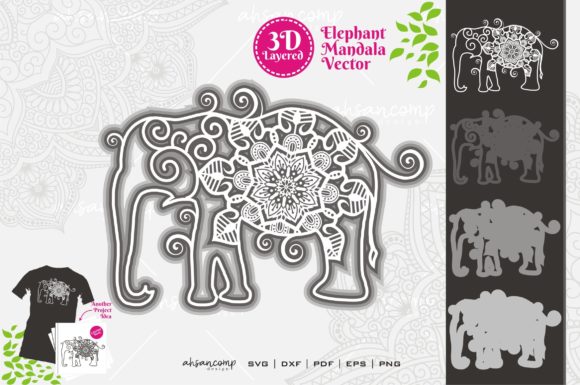
Let us break down the term piece by piece. At its core, an Elephant Mandala Vector SVG 3D Layered file is a digital vector graphic — typically saved in SVG (Scalable Vector Graphics) format — that depicts an elephant motif woven into a mandala pattern. The design is separated into multiple layers, each intended to be cut flat (by a cutting machine, laser cutter, or even by hand) and then stacked or spaced apart to create a three-dimensional effect when displayed. The "3D" in the name does not refer to a 3D model file (like an OBJ or STL) but rather to the physical depth achieved through layering. Each layer is a separate piece, and when assembled one in front of another with spacers, shadows, and offsets, the image gains a rich, dimensional quality.
Understanding the Vector SVG Format
SVG files are resolution-independent, meaning they can be scaled to any size without losing clarity. This is crucial for crafters who may want to create a small card or a large wall hanging from the same file. Unlike raster images (like JPEGs or PNGs), SVGs are composed of mathematical paths, so every curve and detail remains crisp even when enlarged. For a layered mandala design, this precision is essential — each delicate petal, dot, and elephant outline must align perfectly across layers.
The Symbolism – Why Elephant and Mandala?
Elephants have long been revered across many cultures, particularly in South Asian, Southeast Asian, and African traditions. They symbolize wisdom, strength, loyalty, memory, and spiritual grounding. In Hindu mythology, the elephant-headed god Ganesha is the remover of obstacles and the patron of arts and sciences. In Buddhist traditions, the white elephant is a symbol of mental strength and enlightenment. The elephant’s presence in decorative art often conveys protection, dignity, and a connection to nature.
A mandala, on the other hand, is a geometric configuration of symbols and shapes that represents the universe, wholeness, and the journey from the outer world to the inner self. Originating from Hindu and Buddhist spiritual practices, mandalas are used for meditation, focus, and creative expression. When you combine an elephant with a mandala, you get a design that fuses animal symbolism with cosmic order — an art piece that is both grounding and expansive.
Using a 3D layered approach elevates this symbolism further: the depth and shadow created by the layers mirror the idea of moving from the surface to a deeper state of awareness. The viewer is invited to look through the layers, just as one might meditate through the concentric circles of a mandala.
Why 3D Layered SVG Files Are a Modern Craft Staple
The popularity of layered SVGs has grown rapidly thanks to the widespread availability of digital cutting machines (like Cricut, Silhouette Cameo, and Brother ScanNCut) and laser engravers/cutters. These machines read vector paths and cut them with high accuracy from materials such as cardstock, basswood, acrylic, veneer, and even leather. The layered approach turns a flat design into a tactile, sculptural object that catches light and creates a sense of depth.
- Accessibility: Many crafters who do not have traditional drawing skills can produce professional-looking artwork simply by assembling pre-designed layers.
- Customization: Because the design is a vector, users can resize, recolor, or modify layers to match their project needs.
- Repeatability: Once cut, the pieces can be used as templates to produce the same design multiple times — ideal for selling handmade goods or creating gifts.
- Material Versatility: The same SVG can be used for papercraft, wood signs, acrylic panels, or even fabric appliqué with the right settings.
How the Design Works – From Digital File to Finished Art
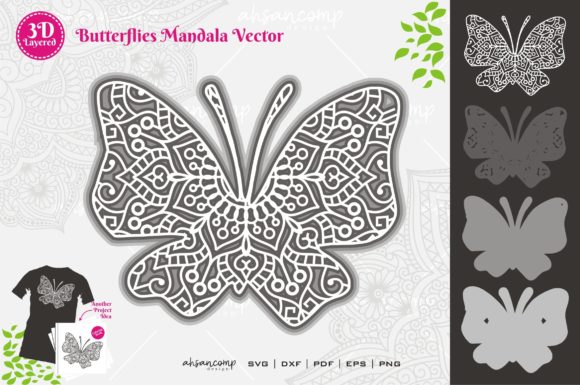
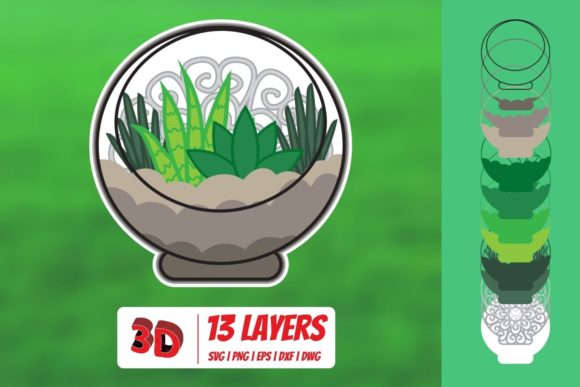
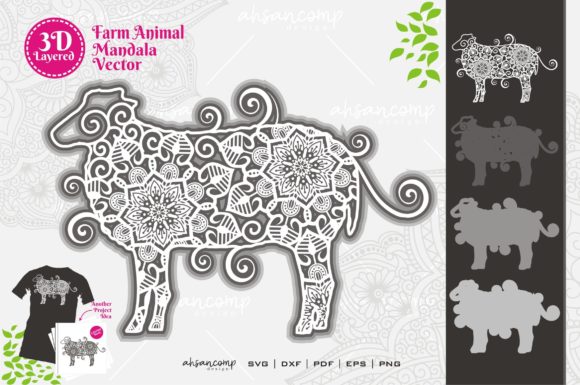
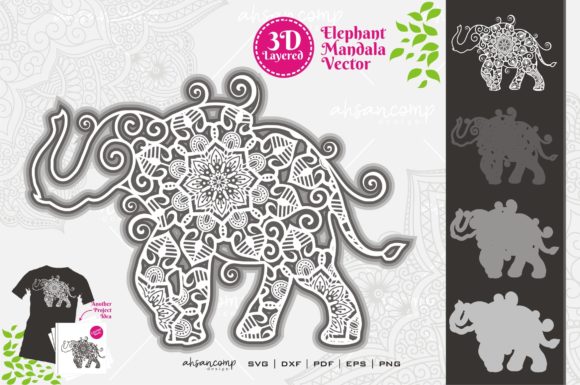
A typical 3D layered elephant mandala design might have anywhere from 3 to 10 or more layers. The lowest layer (the back) is usually the largest and includes the full mandala outline and the elephant silhouette. Subsequent layers are progressively smaller or more detailed, focusing on specific elements like the elephant’s tusks, the mandala’s center, or ornamental decorations. Each layer is designed to be stacked on top of the previous one using foam tape, adhesive spacers, or even layers of acrylic placed a few millimeters apart in a shadow box.
- Layer 1 (Base): Full elephant and mandala outline, often cut from a darker or contrasting material.
- Layer 2 & 3: Intermediate shapes that add depth to the elephant’s body and the mandala’s concentric rings.
- Top Layer: The smallest, most detailed piece — sometimes just the eye of the elephant or the central lotus-like mandala motif.
When assembled, the layers create a gradient of shadow and highlight, making the elephant appear to emerge from the mandala. The overall effect is elegant, professional, and deeply textured.
Practical Uses for Elephant Mandala 3D Layered SVGs
These designs are far more than just a craft project — they can be applied across many contexts.
Home Decor and Gifts
A finished layered elephant mandala piece makes a striking wall hanging, whether framed in a shadow box or mounted on a wood plaque. It works well in living rooms, meditation spaces, nurseries, or offices. Because the elephant and mandala carry universal meaning, they make thoughtful gifts for occasions like housewarmings, birthdays, or spiritual milestones.
Papercraft and Card Making
Paper crafters often scale down these designs to fit on greeting cards or in scrapbooks. The layered effect adds a surprising tactile element to a traditional card. Adding a light source behind the card (like an LED tea light) can even create a beautiful backlit effect.
Laser Cutting and Woodworking
For laser cutting enthusiasts, the SVG format is ideal. The designs can be engraved, cut, and layered using thin wood sheets. The natural grain of wood adds another dimension to the artwork. Many small businesses sell laser-cut layered elephant mandala wall art as a product line.
Digital Art and Print Media
Even if you are not cutting physical material, the layered design can be used as a digital illustration. Graphic designers sometimes use the individual layers to create animated depth effects, coloring book pages, or even 3D renders in software like Blender by extruding the layers. The SVG format ensures compatibility across design tools.
Education and Mindfulness
Because mandalas are linked to concentration and relaxation, assembling a layered mandala can itself be a mindful activity. Educators and therapists sometimes use these designs in art therapy sessions, helping individuals focus on sequencing, fine motor skills, and creative expression.
Choosing the Right Elephant Mandala SVG File
If you decide to purchase or download a 3D layered elephant mandala SVG, keep the following points in mind to ensure a smooth crafting experience:
- Layer Count: More layers generally mean more depth and detail but also more cutting and assembly time. Beginners may prefer 3–5 layers; experienced crafters might enjoy 7+ layers.
- Cutting Lines vs. Score Lines: Good files include clearly identified cut lines (solid) and optional score lines (dashed) for folding or alignment.
- File Format: Ensure the file includes SVG, DXF, or PDF options, especially if you use a specific machine that prefers one format over another.
- Scale and Size: Check if the design is tested at common sizes (e.g., 8x10” or A4). If you need a different size, confirm the design remains clean when scaled.
- Separate Layer File: In well-organized designs, each layer comes in its own SVG file or labeled within one file, so it is easy to load into your cutting software.
Common Misunderstandings About 3D Layered SVGs
Because the phrase “3D layered” can mean different things in different contexts, it helps to clarify a few points that often confuse newcomers:
- It’s not a 3D model: You cannot spin it around in 3D software like a 3D-printed elephant. The 3D effect is optical and physical, created by stacking flat layers with gaps between them.
- It is not only for lasers: While laser cutters produce beautiful results, paper crafters with a home die-cutting machine can also achieve excellent outcomes using cardstock.
- It is not always beginner-friendly: Some intricate designs have very small cut pieces that can be tricky to remove from a mat or assemble. If you are new to layering, start with a simpler, larger design.
- The SVG itself is not the final art: The file is a blueprint. The final appearance depends heavily on the materials you choose — paper color, weight, texture, and lighting all play a role in the finished look.
Getting Started with Your Own Elephant Mandala Project
If you are ready to try a 3D layered elephant mandala design, here are some practical steps to begin:
- Select a high-quality SVG file from a reputable designer or marketplace. Look for designs that show the layered structure in the preview images.
- Choose your material. For beginners, 80–100 lb cardstock in coordinating colors works well. A dark base color and lighter top layers often enhance the depth effect.
- Load the files into your cutting machine's software (e.g., Cricut Design Space or Silhouette Studio). Check that each layer is on a separate mat or assigned a different cut action.
- Cut and weed each layer carefully. Use a weeding tool for small pieces.
- Assemble from the bottom up. Use foam adhesive squares between layers — these create the space that makes the 3D effect visible. Align the pieces using the design preview or registration marks.
- Display your finished piece in a shadow box frame, on a stand, or as part of a larger mixed-media project.
The process is both methodical and creative — every material choice and color combination makes the piece uniquely yours.
Conclusion
The Elephant Mandala Vector SVG 3D Layered design is a beautiful convergence of ancient symbolism, digital technology, and hands-on craft. It respects the rich cultural weight of the elephant and the mandala while embracing the precision and scalability that modern vector formats provide. Whether you are creating a meditative focal point for your home, producing inventory for an Etsy shop, or exploring a new artistic medium, these layered designs offer a pathway to compelling results. By understanding the structure, the materials, and the possibilities, you are now equipped to appreciate — and create — art that is as meaningful as it is visually striking. The only thing left is to pick a design and start layering.